

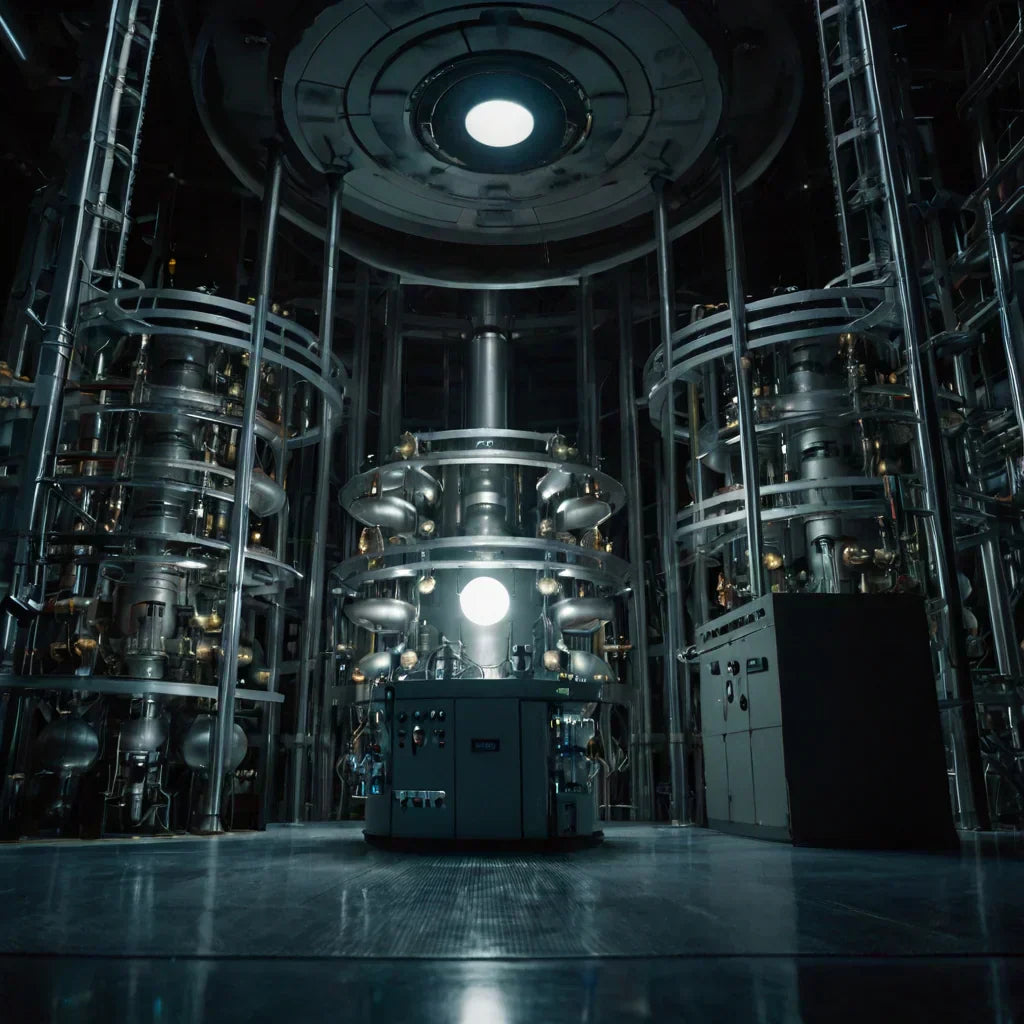
At the core of modern energy production, an atom reactor, or nuclear reactor, harnesses the power of nuclear fission. This article will explain what an atom reactor is, how it works, and why it is vital for generating electricity and other essential applications.
Key Takeaways
-
An atom reactor, also known as a nuclear reactor, initiates and controls a fission nuclear chain reaction to generate electricity and produce isotopes for various applications.
-
The development of nuclear reactors began in the 1930s, culminating in the first successful reactor, Chicago Pile-1, which achieved a controlled nuclear chain reaction in 1942.
-
Modern nuclear reactors incorporate multiple safety features, such as containment structures and reactivity feedback mechanisms, to ensure safe operation and mitigate risks of accidents.
What is an Atom Reactor?

A nuclear reactor, also known as an atom reactor, is designed to commence and manage a nuclear chain reaction through fission. It utilizes the process of nuclear fission - where heavy atomic nuclei like uranium or plutonium are split into smaller parts, liberating substantial energy in doing so. This energy is predominantly harnessed by commercial power plants to generate nuclear electricity. The heat generated from the controlled fission reaction in the core of the reactor transforms water into steam. This steam then propels turbines that produce electricity.
Nuclear reactors have purposes beyond generating power. They function as critical instruments for research and create radioactive isotopes which are indispensable in both medical and industrial sectors.
Comprehending these intricate devices is key to recognizing their influence on contemporary life.
Historical Development of Atom Reactors
The inception of nuclear reactors traces back to the 1930s, originating with the covert American enterprise known as the Manhattan Project.
On December 1st, 1942, Chicago Pile-1 was completed and sustained a controlled nuclear chain reaction on December 2nd.
The post-WWII era saw a shift toward peaceful nuclear technology, leading to Argonne National Laboratory’s founding in 1954 and eventually modern nuclear power plants.
How Do Atom Reactors Work?

At the core of a nuclear reactor lies the phenomenon of nuclear fission, wherein large atomic nuclei split into smaller parts, releasing substantial energy. This splitting occurs within the reactor core housing fuel assemblies of uranium pellets. Each split emits neutrons that trigger a self-sustaining nuclear chain reaction.
Control rods absorb neutrons to regulate the reaction. Heat from fission converts water into steam, which drives turbines to produce electricity.
Key Components of Atom Reactors
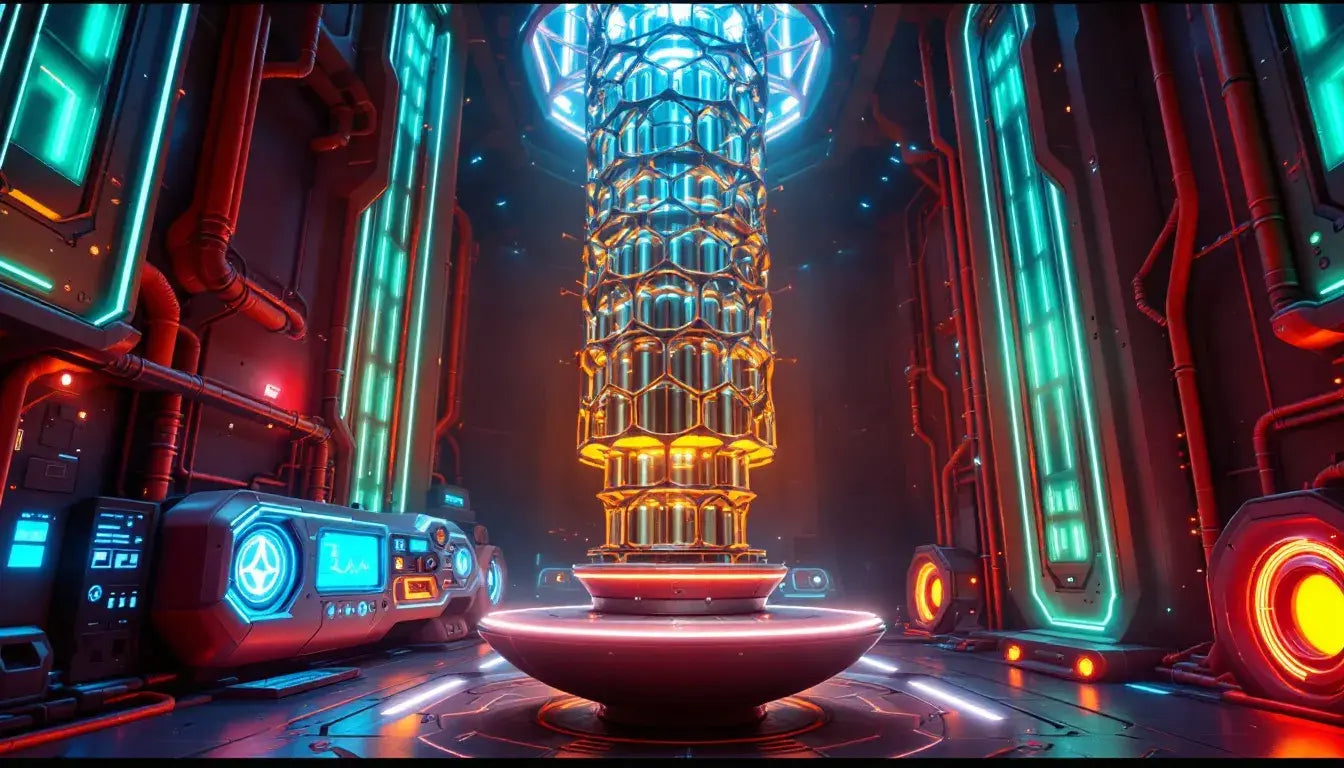
Nuclear reactors include several critical components: the reactor core, cooling systems, and containment structures.
Reactor Core
The central part of the reactor where fission occurs. It contains fuel rods, a moderator like water or graphite, and control rods.
Cooling Systems
Cooling systems remove heat from the core. Pressurized Water Reactors (PWRs) use high-pressure water to transfer heat to a steam generator.
Containment Structures
Reinforced concrete and steel structures that prevent radiation from escaping during severe accidents.
Types of Atom Reactors

Common reactor types include Pressurized Water Reactors (PWRs), Boiling Water Reactors (BWRs), and Advanced Reactor Designs like Small Modular Reactors (SMRs).
Pressurized Water Reactors (PWR)
PWRs keep water under high pressure so it does not boil in the core. Heat is transferred to a steam generator.
Boiling Water Reactors (BWR)
BWRs boil water directly in the reactor vessel to produce steam.
Advanced Reactor Designs
SMRs and Generation IV reactors promise improved safety, efficiency, waste management, and proliferation resistance.
Applications of Atom Reactors
Reactor uses include electricity generation, medical isotope production, powering naval vessels, research, and desalination.
Safety Measures in Atom Reactors

Safety features include containment structures, core melt localization systems, and negative-reactivity feedback mechanisms.
Safety equipment such as the Milerd HiStand contributes crucially to individual protection by monitoring radiation levels continuously.
The Future of Atom Reactors
Global nuclear capacity is expected to rise significantly by 2050. SMRs are poised to be key in the future energy landscape.
Efforts are being made to extend reactor lifespans from 40 to 60 years.
Milerd HiStand: Ensuring Personal Safety Near Atom Reactors

The Milerd HiStand is a personal radiation detector offering real-time monitoring, shock resistance, water resistance, and a built-in solar panel.
It tracks exposure history for up to one month and integrates with Milerd’s PORT desktop software.
Summary
Nuclear reactors have revolutionized energy, medicine, and scientific research. Understanding their structure, function, and safety systems is essential.

As technologies evolve—especially SMRs—nuclear energy is expected to play an even greater role in sustainable energy systems. Devices like Milerd HiStand provide essential protection near radiation sources.


Lasă un comentariu
Acest site este protejat de hCaptcha și hCaptcha. Se aplică Politica de confidențialitate și Condițiile de furnizare a serviciului.