

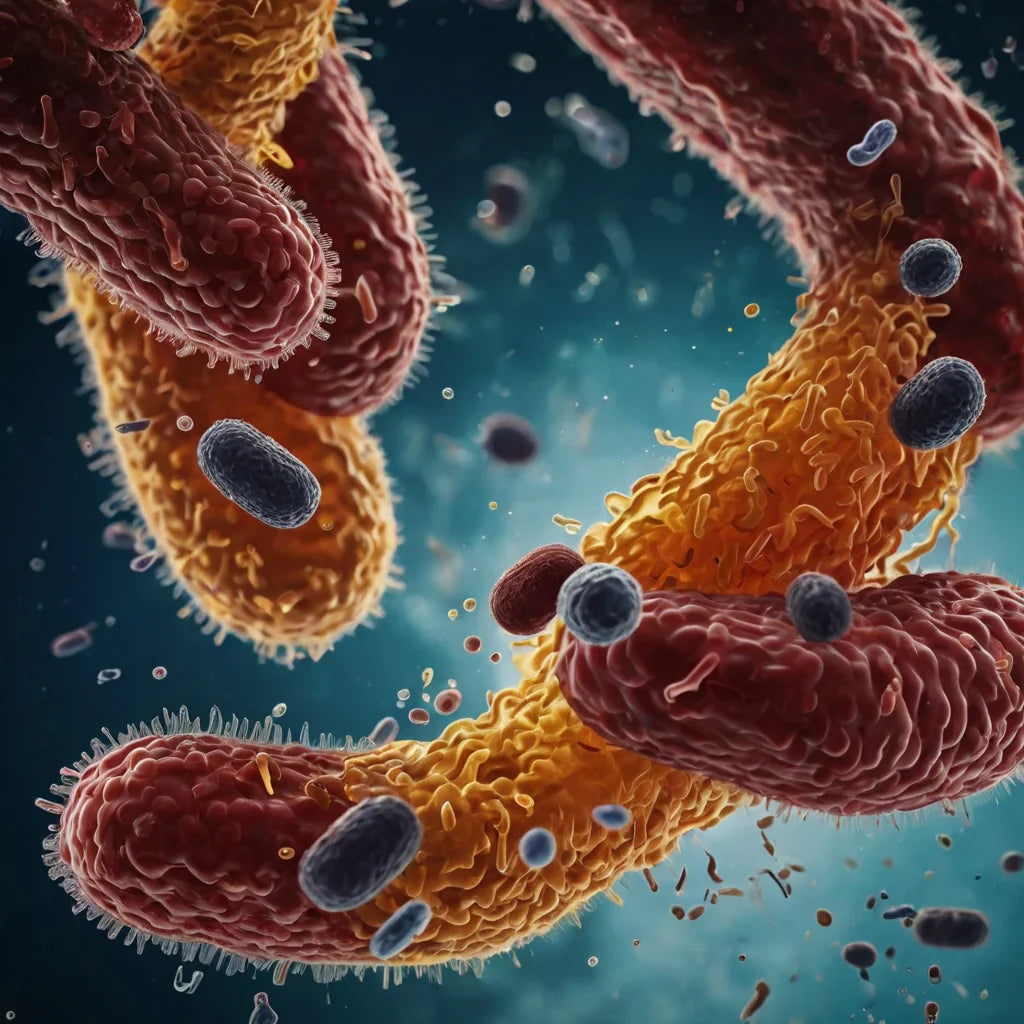
Food bacteria are tiny organisms that can contaminate food and cause illness. This article covers common types, symptoms of foodborne illnesses, and essential prevention tips to ensure food safety.
Key Takeaways
-
Foodborne bacteria like Salmonella, E. coli O157:H7, and Listeria monocytogenes pose significant health risks, necessitating strict food safety practices.
-
Contamination can occur at multiple stages of food handling, from farming to processing, and ultimately in home kitchens, highlighting the need for proper hygiene and cooking techniques.
-
The Milerd Detoxer utilizes advanced technologies to effectively remove harmful contaminants from food, significantly enhancing food safety and minimizing the risk of foodborne illnesses.
Common Foodborne Bacteria

Annually, bacteria related to foodborne illnesses contribute substantially to sickness and fatalities. Awareness of these bacteria is crucial for preventing such illnesses and ensuring the safety of our food supply. These microbes may be present in raw meats, fruits, vegetables, and other foods exposed to contaminated water.
Salmonella
Salmonella is a primary cause of foodborne illness. It is commonly found in raw or undercooked poultry, meat, eggs, and unpasteurized dairy. Thorough cooking is essential to destroy Salmonella and reduce infection risk.
E. coli O157:H7
E. coli O157:H7 causes an estimated 73,000 cases of illness annually. It leads to severe stomach cramps and bloody diarrhea. Avoid undercooked beef, raw milk, and contaminated water to prevent infection.
Listeria monocytogenes
Listeria poses severe risks, especially to pregnant women and immunocompromised individuals. It is found in unpasteurized dairy, deli meats, and smoked fish. Strict food safety measures help prevent contamination.
Staphylococcus aureus
Common on human skin, Staphylococcus aureus can contaminate food through poor hygiene. It produces toxins causing rapid vomiting. Proper handling and hygiene practices are essential to prevent contamination.
Clostridium botulinum
This bacterium produces a deadly toxin responsible for botulism. It is linked to improperly canned foods and honey given to infants. Proper canning and preservation techniques are vital for preventing botulism.
How Food Becomes Contaminated
Food can become contaminated at any stage—from farming to processing, transport, and preparation. Contamination may occur due to unsafe water, improper handling, or cross-contamination.
Farm Practices
Contamination often starts on farms. Animal feces and soil can harbor E. coli O157:H7, affecting produce and raw dairy. Strict hygiene practices reduce contamination risks.
Processing and Packaging
Cross-contamination can occur when raw and cooked foods share surfaces or equipment. Using the same cutting board without cleaning can transfer bacteria. Sanitation protocols are crucial.
Home and Restaurant Handling
Improper practices at home or restaurants—like mixing raw juices with ready-to-eat foods—can reintroduce bacteria. Separate utensils and surfaces for raw and cooked items are essential.
Symptoms of Foodborne Illnesses
Foodborne illnesses range from mild discomfort to severe health complications. Symptoms may begin within hours or days after consuming contaminated food.
Mild Symptoms
Common mild symptoms include nausea, vomiting, abdominal cramps, and slight fever. Early recognition helps prevent worsening.
Severe Symptoms
Persistent vomiting, high fever, and dehydration require immediate medical care. Individuals with weakened immune systems face higher risk.
Long-Term Effects
Some infections cause lasting damage. For example, E. coli O157:H7 can lead to hemolytic uremic syndrome (HUS), potentially causing kidney failure.
Prevention Tips for Food Safety

Food safety includes proper cooking, storage, and hygiene. Following these principles significantly reduces contamination risks.
Proper Cooking Techniques
Cook foods to at least 165°F (74°C) to kill harmful bacteria. A food thermometer ensures safe internal temperatures, especially for meat and poultry.
Safe Food Storage
Refrigerate foods at 40°F (4°C) or lower. Incorrect storage temperatures allow bacteria to multiply. Properly chilled produce also reduces contamination risks.
Hygiene Practices
Wash hands for at least 20 seconds with soap and water. Clean kitchen tools and surfaces thoroughly to avoid cross-contamination. Use alcohol-based sanitizers when needed.
The Role of Milerd Detoxer in Ensuring Food Safety
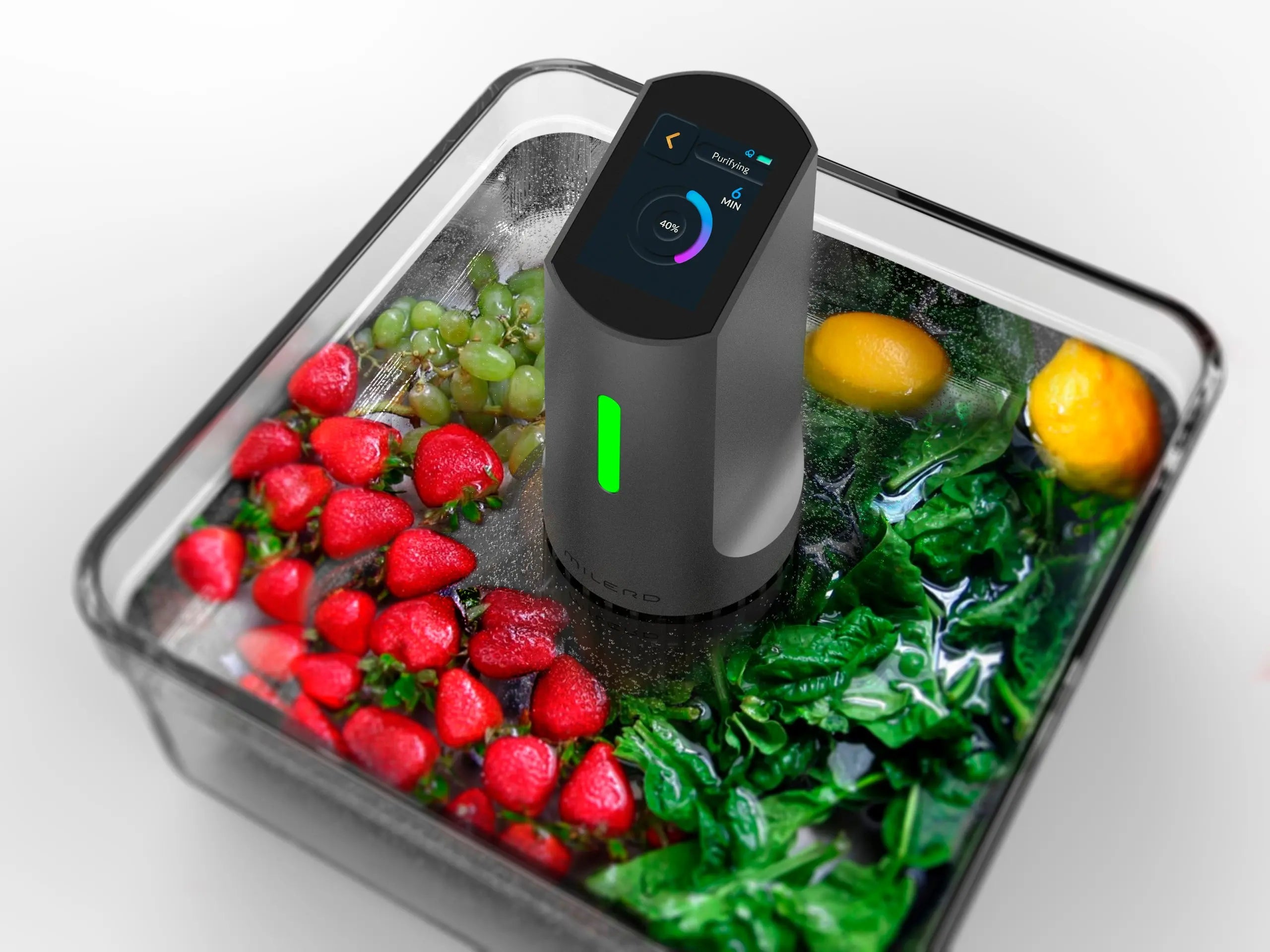
The Milerd Detoxer uses ultrasonic and ozone technologies to eliminate harmful contaminants such as bacteria, viruses, pesticides, heavy metals, mold spores, and parasite eggs.
Technologies Used
Ultrasonic waves create cavitation bubbles that remove impurities from food surfaces. Ozone oxidizes and decomposes organic pollutants, neutralizing bacteria and pesticides.
Effectiveness
The Detoxer removes up to 99% of pathogens and pollutants. It also reduces heavy metals and mold spores.
Usage and Benefits
The device cleans food in about 10 minutes without affecting taste or nutrients. It works on fruits, vegetables, grains, meat, and seafood.
Summary
Understanding foodborne bacteria, symptoms, and prevention practices is essential for food safety. See also: common food bacteria identification. The Milerd Detoxer offers an advanced solution for removing contaminants from food. Stay informed, practice safe handling, and use modern technologies to protect your health.



Lasă un comentariu
Acest site este protejat de hCaptcha și hCaptcha. Se aplică Politica de confidențialitate și Condițiile de furnizare a serviciului.