


Is it bad to sleep next to your phone? Many experts say it is. From disturbed sleep patterns to potential radiation risks, keeping your phone by your bedside isn’t as harmless as it seems. This article will explore these issues in detail and offer tips to reduce any negative impacts on your health.
Key Takeaways
-
Sleeping next to your phone can lead to decreased sleep quality and disrupt the natural sleep cycle, particularly affecting REM sleep.
-
Exposure to blue light emitted by phones can suppress melatonin production, delaying sleep onset and reducing overall sleep quality.
-
Prolonged exposure to cell phone radiation may carry potential health risks, including impacts on cognitive function and reproductive health, necessitating caution and further research.
How Sleeping Next to Your Phone Affects Sleep Quality

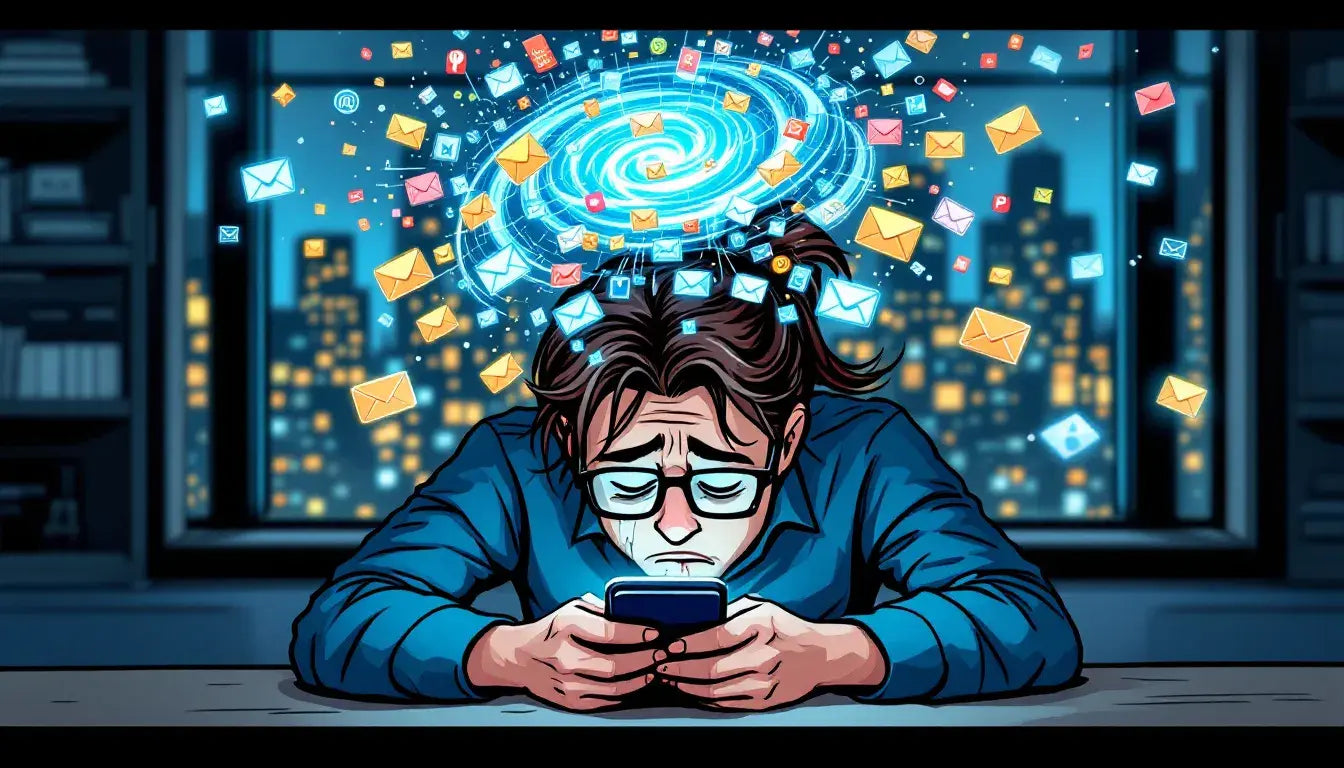
Imagine this: you’ve had a long day, and as you crawl into bed, your phone is the last thing you glance at before closing your eyes. You’re not alone—approximately 72% of people sleep next with their phones within reach. Yet, this common practice can lead to decreased sleep quality and disrupt the natural sleep cycle. The constant stream of notifications and the temptation to check social media or emails can create a mental distraction, making it difficult to unwind and fall asleep in their beds.
Moreover, the near-constant notifications from your phone can lead to fragmented sleep, causing you to wake up multiple times throughout the night. This disruption in your sleep cycle can result in feelings of fatigue and drowsiness during the day, making you feel tired. Keeping your phone close while sleeping can significantly disrupt your body’s natural sleep cycle, particularly affecting the REM (Rapid Eye Movement) phase, which is crucial for cognitive function and overall well-being.
One effective way to improve sleep quality is to keep your phone out of the bedroom altogether.
-
Placing your phone in another room reduces the likelihood of sleep disruptions.
-
Using a traditional alarm clock can create a more restful environment.
-
This approach helps you stay asleep and wake up refreshed.
The Impact of Blue Light on Melatonin Production
Blue light from smartphones can significantly disrupt melatonin production. Melatonin regulates sleep-wake cycles, and blue light exposure delays its release, making it harder to fall asleep.
Studies show that blue light suppresses melatonin, disrupts circadian rhythm, delays sleep onset, and reduces overall sleep quality.
-
Reduce screen time in the evening.
-
Use “night mode” on devices.
-
Establish a bedtime routine with minimal screen exposure.
Radio Frequency Radiation and Its Potential Risks

Another concern with sleeping next to your phone is exposure to radio frequency (RF) radiation. Phones emit non-ionizing radiation, which is considered weak but may still have health implications.
Research shows mobile phone radiation can alter brain electrical activity and may influence cognitive performance.
Keeping your phone close to your head may contribute to headaches, muscular pain, and other issues.
Thermal Effects
Phone radiation can mildly heat surrounding tissues. While known, the long-term implications require further study.
Cancer Concerns
The International Agency for Research on Cancer classifies RF radiation as “possibly carcinogenic.” Evidence is not conclusive but indicates a potential risk.
Electromagnetic Hypersensitivity (EHS)
Some individuals report symptoms they attribute to EMF exposure, though scientific evidence does not confirm EHS as a diagnosable condition.
WHO prefers the term “Idiopathic Environmental Intolerance attributed to EMF.” Psychological factors may play a role.
Cognitive and Behavioral Effects
RF exposure has been linked to slower response times and symptoms resembling ADHD, such as inattention and hyperactivity.
EHS symptoms may include neurological issues, mood changes, and sleep disturbances, although no consistent link has been established scientifically.
Reproductive Health Considerations
Mobile phone radiation has been associated with:
-
Reduced sperm count and quality
-
Sperm DNA damage
-
Decreased motility
For women, RF radiation may affect ovarian follicles and embryo quality.
Practical Tips to Reduce Radiation Exposure

To reduce exposure:
-
Use speaker mode or headphones.
-
Avoid calls in poor signal areas.
-
Text instead of calling.
-
Monitor EMF levels using devices like the Milerd HiRange.
Introduction to Milerd HiRange

The Milerd HiRange measures low- and high-frequency EMFs, including 5G. It provides data on environmental radiation in homes, offices, and other settings.
Its compact design and strong battery life make it suitable for continuous monitoring.
How Milerd HiRange Measures EMF Levels
It detects EMFs from 1 MHz to 8 GHz, covering household and wireless devices.
Long-Term Exposure Tracking
It tracks EMF exposure for 30 days, helping users understand long-term patterns and potential health implications. Related info: safe EMF exposure levels.
Portability and Battery Life
Compact, pocket-friendly, and lasts up to one week per charge.
Summary
In summary, sleeping next to your phone can disrupt sleep, suppress melatonin, and pose potential RF-related risks.

By reducing screen time, avoiding close contact during sleep, and monitoring EMF exposure with tools like the Milerd HiRange, you can create a safer and healthier sleep environment.
Being mindful of everyday EMF sources helps reduce long-term risks and improve overall well-being.



Lasă un comentariu
Acest site este protejat de hCaptcha și hCaptcha. Se aplică Politica de confidențialitate și Condițiile de furnizare a serviciului.